
Spray foam removal in South Bank, York done properly

Local specialists removing failed loft and roof foam across South Bank

Spray foam removal in South Bank is what we do every week, from the Victorian terraces off South Bank Avenue to the modern flats near Millennium Bridge. If spray foam insulation is trapping moisture in your roof timbers, blocking ventilation or holding up a mortgage, our team removes it cleanly, disposes of it legally and gives you the paperwork your lender needs. We have worked across York since 2022 and know exactly how South Bank's riverside properties behave.

Years serving York

4

South Bank jobs completed

180+

Average response time

Under 60 minutes

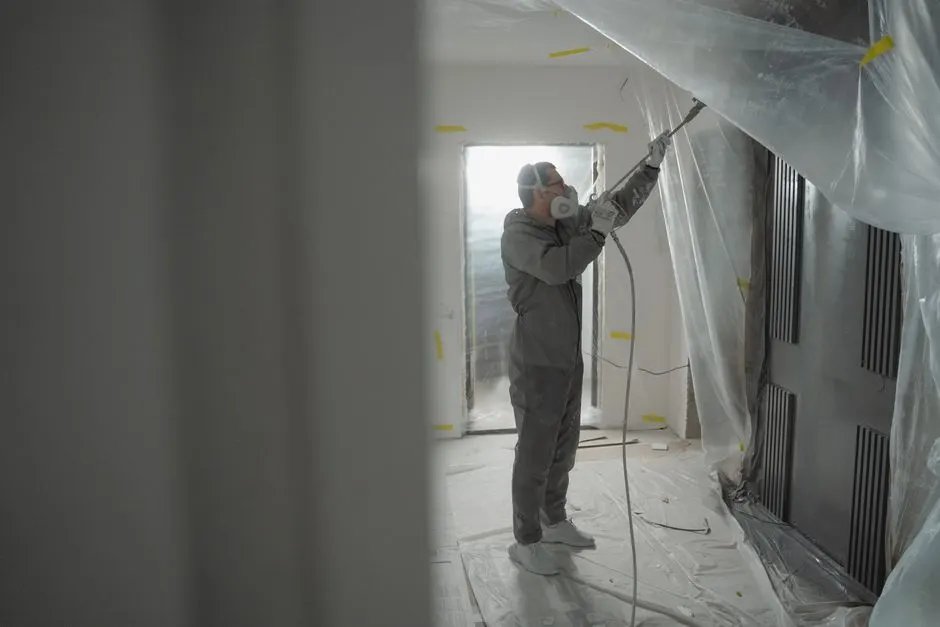
Man in protective gear spray painting a house's interior during renovation work.

Spray foam removal in South Bank you can rely on

Spray foam removal in South Bank is a specialist job, and it is one we have handled across Micklegate, Bishophill, Fishergate, Clementhorpe and Dringhouses since 2022. South Bank sits on the west bank of the Ouse, a mix of Victorian terraces and modern flats, much of it inside or beside the city's conservation area. That building stock matters. Older roofs here were never designed for closed cell spray foam, and when foam is sprayed directly onto rafters it seals the timber, traps condensation and starts the rot that surveyors flag on mortgage valuations. We remove open cell spray foam, closed cell spray foam and polyurethane foam using dry ice blasting machines, reciprocating saws, oscillating multi-tools and HEPA vacuum extraction, then we inspect the timbers and document everything. If you have been searching for spray foam removal South Bank North Yorkshire, you are in the right place. We are a South Bank spray foam removal company that works to TrustMark standards, carries CHAS accreditation and PASMA-trained operatives, and gives you a clear report you can hand to your lender.

South Bank generates more spray foam removal enquiries than almost any other part of York, and the reasons are local. The riverside position means higher humidity, and properties close to the Ouse see more loft condensation than homes on higher ground. Add a large stock of Victorian terraces with original rafters, plus a wave of loft conversions done between 2010 and 2018, and you get a lot of roofs where foam was installed badly. We also get called constantly by buyers whose mortgage lender has refused a loan because of spray foam. We serve South Bank because the demand is real, the properties are distinctive and we know the streets.

Spray foam removal services across South Bank

Every South Bank property is different, so we match the removal method to the roof. A Victorian terrace in Clementhorpe with open cell foam needs a different approach to a modern flat near Millennium Bridge with closed cell foam sprayed onto a warm roof deck. If you have been searching for spray foam removal in South Bank near me, this is the full list of what we do here, from a single loft to a full warehouse roof.

Spray Foam Removal near me

We cover every South Bank street, from South Bank Avenue to the lanes behind Rowntree Park. Most call-outs are loft or roof foam in Victorian terraces, and we usually survey within 48 hours of your call. You get a written assessment, a fixed price and a removal date, with no sub-contractors involved.

Spray Foam Removal near me

same day Spray Foam Removal

Same day spray foam removal South Bank is available for urgent cases, typically when a mortgage valuation is booked or a buyer is waiting on a report. If you call before 10am we can often be on site the same afternoon across Micklegate, Bishophill and Fishergate. Small loft jobs can be cleared in a single visit.

same day Spray Foam Removal

24/7 Spray Foam Removal

Our phone line is answered 24/7 for South Bank customers dealing with water ingress, storm damage or a collapsed section of foam. Emergency call-outs are usually attended within 90 minutes. We make the roof safe, isolate the affected area and schedule full removal for the next working day.

24/7 Spray Foam Removal

Residential Spray Foam Removal

Most South Bank homes we work on are two or three bed Victorian terraces with a loft conversion or a boarded loft. We remove foam from rafters, purlins and roof decks, protect floors and stairwells with protective sheeting, and leave the loft ready for new insulation. We also handle the disposal paperwork.

Residential Spray Foam Removal

Commercial Spray Foam Removal

South Bank has a steady supply of commercial foam removal work, from converted warehouses near the river to small offices and retail units along the main routes. We work out of hours to avoid disrupting trade, use negative air machines to control dust, and provide method statements and risk assessments before we start.

Commercial Spray Foam Removal

loft spray foam removal

Loft spray foam removal is our most common South Bank job. Foam sprayed between rafters traps moisture against the timber, and in riverside properties that shows up fast as damp patches and musty smells. We cut the foam out in sections, vacuum the debris and treat any early rot we find.

loft spray foam removal

roof spray foam removal

Roof spray foam removal in South Bank usually means accessing the underside of the roof covering from inside the loft. We use oscillating multi-tools and reciprocating saws to cut foam away from battens and felt without damaging the roof structure, then clear the cavity so air can move again.

roof spray foam removal

Attic spray foam removal

Attic spray foam removal covers smaller roof voids, dormer cheeks and gable ends. In South Bank's loft conversions, foam is often over-sprayed into eaves and ventilation gaps. We remove it carefully, restore airflow at the eaves and check that no foam is blocking the felt laps.

Attic spray foam removal

spray foam insulation removal

Spray foam insulation removal is the full strip-out of foam from a roof or wall. In South Bank we handle open cell and closed cell foam, plus older isocyanate and polyol mixes that have gone brittle. Everything is bagged, labelled and disposed of through licensed waste carriers.

spray foam insulation removal

open cell spray foam removal

Open cell spray foam is softer and easier to remove than closed cell, but it still traps moisture if it is fitted tight to the rafters. Across South Bank's Victorian terraces we cut it out with hand tools and an industrial vacuum, then inspect the timber for rot before we sign the job off.

open cell spray foam removal

closed cell spray foam removal

Closed cell spray foam is the hardest to remove and the most common reason a South Bank mortgage application stalls. It sets rock hard and bonds to timber. We use dry ice blasting machines to freeze and crack the foam, then lift it away without gouging the rafters underneath.

closed cell spray foam removal

mortgage lender spray foam removal

If your lender has refused a mortgage because of spray foam, we can help. We survey the roof, remove the foam, document the condition of the timbers and provide a report that lenders and surveyors accept. We have done this for buyers across Micklegate, Fishergate and Dringhouses.

mortgage lender spray foam removal

insulation removal service

Our insulation removal service covers spray foam, old mineral wool, vermiculite and contaminated loft insulation. In South Bank we often combine foam removal with clearing out sodden wool that has been sitting under a leaking roof. One visit, one clear price, one clean loft.

insulation removal service

insulation assessment

An insulation assessment tells you what is actually in your roof and whether it needs to come out. We inspect the foam type, check for roof timber rot from trapped moisture, look at loft condensation and ventilation, and give you a written recommendation. Useful before you buy a South Bank property.

insulation assessment

dry ice blasting spray foam removal

Dry ice blasting is our preferred method for closed cell foam on delicate timbers. Dry ice pellets freeze the foam so it cracks away from the wood, leaving the rafter surface intact. It is clean, leaves no blasting media behind and works well in the tight roof voids common in South Bank terraces.

dry ice blasting spray foam removal

Cavity wall spray foam removal

Cavity wall spray foam removal is a bigger job and often follows a failed mortgage valuation. In South Bank we remove foam from cavity walls using a combination of cutting tools and vacuum extraction, then inspect the wall ties and masonry. We can rebuild the cavity with a breathable insulation if you want.

Cavity wall spray foam removal

sand blasting spray foam insulation removal

For stubborn foam on brickwork, stone and concrete, sand blasting equipment strips the residue back to a clean surface. We use it in South Bank on gable walls and outbuildings where foam has been sprayed onto masonry. Protective sheeting and air scrubbers keep the dust contained.

sand blasting spray foam insulation removal

thermal spray foam removal

Thermal spray foam removal covers foam that has been applied as a thermal barrier on roof decks and plant rooms. In South Bank we handle this on converted commercial units and some larger homes. We assess the substrate first, because foam applied over a warm roof deck needs a different removal sequence.

thermal spray foam removal

environmentally friendly insulation removal

We remove foam with as little waste as possible. Dry ice blasting uses no additional media, we separate recyclable materials, and all foam waste goes through licensed carriers. For South Bank customers who care about the river and the conservation area, this is the cleanest option we offer.

environmentally friendly insulation removal

Warehouse spray Foam removal

Warehouse spray foam removal is a specialist job for the larger commercial buildings around South Bank and the riverside. Foam on a warehouse roof deck can hide leaks and corrode fixings. We survey with a drone where needed, then remove foam in phases so the building stays operational.

Warehouse spray Foam removal
A person in protective suit disinfecting a room to eliminate viruses and bacteria.
Local Expertise

How we carry out spray foam removal in South Bank

Spray foam removal in South Bank follows a set sequence, but the details change street by street. On South Bank Avenue and the Clementhorpe terraces we usually park on the road and run hoses through a ground-floor window or loft hatch. In the conservation area near the city walls, we protect stonework and use dust sheets on all stairwells. We work to PASMA standards for any tower access, and every operative carries a CSCS card. Foam is cut out with dry ice blasting machines, reciprocating saws and oscillating multi-tools, then bagged and removed by HEPA vacuum. Timbers are inspected for rot and treated where needed. If you need affordable spray foam removal South Bank North Yorkshire, we quote a fixed price after the survey, not an hourly rate. Most lofts are cleared in one day, and we leave the roof void ventilated and ready for new insulation.

1

Riverside humidity and flood risk near the Ouse

We check the roof void for condensation and ventilation before we start, use air scrubbers and negative air machines to keep the working area dry, and restore eaves ventilation as part of the removal. If timbers are damp we treat them and recommend a breathable insulation instead.

2

Victorian terraces with narrow loft hatches and tight eaves

We use compact oscillating multi-tools and long-reach scrapers to get into the eaves, and a HEPA vacuum to clear debris without pulling it through the house. Where access is very tight we remove a section of roof covering and make it good afterwards.

3

Conservation area restrictions near the city walls

We plan access to avoid scaffolding where possible, use internal removal methods, and protect stone and brick with sheeting. Waste is bagged and carried out rather than skipped on street, and we keep noise and dust to working hours.

Service Areas

South Bank neighbourhoods we cover

We work right across South Bank and the streets that sit alongside it. Whether you are in a Victorian terrace in Clementhorpe or a modern flat near Millennium Bridge, we know the building types, the parking and the access. Here is what we see most often in each area.

Micklegate
Bishophill
Fishergate
Clementhorpe
Man in protective gear spray painting a house's interior during renovation work.

4+

Areas Served

Find Us in South Bank

We started Spray Foam Removal York in 2022 and South Bank was one of our first regular patches. Early jobs were loft spray foam removal in the terraces around South Bank Avenue and Clementhorpe, usually after a surveyor had flagged trapped moisture. Word spread through the neighbourhood and we picked up work near Rowntree Park and along the Bishophill side. Four years on, we have completed more than 180 jobs in the area and we still get most of our South Bank work through referrals from homeowners, estate agents and mortgage brokers who know we turn reports around quickly.

Recent spray foam removal jobs in South Bank

These are real jobs we have completed in South Bank over the last couple of years. They show the range of problems we see, from mortgage-driven removals to emergency call-outs after storm damage. Names and exact addresses are left out, but the streets and outcomes are accurate.

Crop unrecognizable person in yellow latex protective glove spraying detergent from bottle with plastic dispenser at glass of shower cabin
1
Challenge

A buyer's mortgage lender refused to lend on a Victorian terrace near South Bank Avenue because closed cell foam had been sprayed directly onto the rafters and was trapping moisture.

Solution

We surveyed the roof, confirmed the foam type and the extent of the problem, then removed the closed cell foam using dry ice blasting to protect the timber. We inspected every rafter, treated two areas of early rot, restored eaves ventilation and provided a written report for the lender.

Impact

The lender accepted the report, the sale completed three weeks later, and the new owner had a clear, ventilated roof void ready for breathable insulation.

South Bank Avenue
2
Challenge

A homeowner in Clementhorpe noticed a musty smell in a loft conversion and damp patches on the ceiling after a wet winter. Open cell foam had been sprayed over the felt laps, blocking ventilation.

Solution

We removed the open cell foam from the rafters and eaves, cleared the blocked ventilation gaps and ran a HEPA vacuum through the whole void. We also replaced a section of sodden mineral wool that had been sitting under the foam and checked the timbers for rot.

Impact

The damp smell cleared within a week, the ceiling patches dried out, and the loft was left ready for new breathable insulation. The whole job took one day.

Clementhorpe
3
Challenge

A landlord near Rowntree Park needed spray foam removed from two flats before a remortgage. The foam was a mix of open cell and older brittle polyurethane, and a surveyor had flagged it as a risk.

Solution

We surveyed both roof voids, quoted a fixed price for the pair, and completed the removal over two days. We used a combination of hand tools and dry ice blasting, bagged all waste for licensed disposal, and documented the condition of the timbers in a report for the lender.

Impact

Both flats passed the remortgage valuation, and the landlord has since used us on two more properties in the same block.

Rowntree Park
When To Call

Signs you need spray foam removal in South Bank

Spray foam does not always announce itself. In South Bank's riverside properties it often shows up first as a smell or a damp patch, long before anything visible goes wrong with the roof. If you have noticed any of the signs below, it is worth getting an assessment before the problem spreads. Here is what to look for and what each sign usually means.

1. Musty smell in a loft or upstairs room

A musty smell usually means trapped moisture and poor ventilation. When foam seals a roof void, condensation has nowhere to go, and in South Bank's riverside homes that happens fast. It is an early warning, not a cosmetic issue.

2. Damp patches on ceilings or rafters

Brown patches on a ceiling or dark staining on rafters point to water sitting where it should not. Foam can hide a leak for months, so by the time you see the stain the timber may already be softening. Get it checked quickly.

3. Mortgage lender or surveyor flags spray foam

If a valuation report mentions spray foam, the lender will usually want it removed before releasing funds. This is the most common reason we get called to South Bank. Acting early keeps a sale on track and avoids a renegotiation.

4. Foam blocking eaves ventilation

Look along the eaves from inside the loft. If foam has been sprayed over the ventilation gap, air cannot move through the roof. That is a defect under Building Regulations Part C and it will be flagged on a survey.

5. Crumbling or brittle foam on rafters

Older foam can go brittle and start to crumble away from the timber. Once it loses its bond it no longer insulates, and the debris can block vents. It also makes a mess and is harder to remove cleanly.

Local Problem Patterns

Common spray foam problems in South Bank

South Bank has a particular set of conditions that make spray foam problems more likely than in other parts of York. The river, the age of the housing and the number of loft conversions all play a part. If you are looking for South Bank spray foam removal, these are the four issues we see most often.

Mortgage lender refusal due to spray foam

Why it happens here

Lenders treat spray foam as a risk because it can hide structural problems and trap moisture. In South Bank, where many homes are Victorian terraces with original rafters, surveyors flag it more often than in newer housing.

Our approach

We remove the foam, inspect and document the timbers, and provide a report that lenders and surveyors accept. We have done this enough times in South Bank to know exactly what the report needs to say.

Roof timber rot from trapped moisture

Why it happens here

Foam sprayed directly onto rafters seals the timber and stops it breathing. In riverside properties the humidity is higher, so condensation builds up and rot sets in faster. By the time it is visible, the damage can be significant.

Our approach

We remove the foam carefully, inspect every rafter and treat or replace any timber that has started to rot. We restore ventilation so the roof can dry out and stay dry.

Loft condensation and damp ceilings

Why it happens here

South Bank's older roofs were designed to breathe. Foam blocks the ventilation path at the eaves and felt laps, so warm moist air from the house condenses on cold surfaces. The result is damp patches, musty smells and, eventually, mould.

Our approach

We clear the foam from the eaves and ventilation gaps, run air scrubbers while we work, and check the whole void for condensation risk. Where needed, we specify a breathable insulation to replace the foam.

Over-sprayed foam blocking ventilation

Why it happens here

Some installers sprayed foam into every gap they could find, including the eaves and the felt laps. That blocks the airflow the roof needs. It is a common defect in South Bank's loft conversions, where speed mattered more than specification.

Our approach

We cut the foam back to the timber, open up the blocked vents and make sure air can move from eaves to ridge. We document the before and after so you have proof the ventilation has been restored.

Year-Round Coverage

How South Bank seasons affect spray foam removal

Spray foam problems in South Bank follow the seasons. Autumn and winter bring the rain and the damp, spring exposes what the winter did, and summer is when most people book removals before the weather turns. If you are planning spray foam removal in South Bank, here is what to expect through the year.

Spring

Spring is when damp patches and musty smells from the winter become obvious. Roof timbers that have been wet for months start to show staining, and surveyors pick up more foam-related defects in March and April.

Tip

Book an assessment in early spring so any rot is caught before it spreads. Removal is easier and cheaper before the timber softens further.

Summer

Summer is our busiest time for booked removals in South Bank. Dry weather makes roof access easier, and homeowners often use the longer days to get loft work done before autumn. Mortgage-driven jobs also peak as the housing market moves.

Tip

If you need a specific date, book two to three weeks ahead in summer. Same day slots are harder to find in July and August.

Fall

Autumn rain starts to find any weakness in a roof. If foam is trapping moisture, you will see damp patches return as the weather turns. This is also when buyers and sellers push to complete before Christmas, so lender-driven removals pick up.

Tip

Get the foam out before the worst of the rain. A dry roof void going into winter is far less likely to develop rot.

Winter

Winter is when South Bank's riverside humidity does the most damage. Condensation inside a sealed roof void is at its worst, and storm damage can expose foam that was already failing. Emergency call-outs rise in December and January.

Tip

If you spot a new damp patch or a leak, call us straight away. We answer 24/7 and can make the roof safe before the damage gets worse.

Hiring Smart

Questions to ask a spray foam removal company in South Bank

Not every contractor who offers spray foam removal in South Bank does it properly. Some will cut the foam out and leave the roof in a worse state than they found it. Before you book anyone, ask these five questions. The answers will tell you whether you are dealing with a specialist or a general builder having a go.

  1. 1

    "How will you remove closed cell foam without damaging the rafters?"

    Why it matters

    Closed cell foam bonds hard to timber. If a contractor plans to chisel or grind it off, they will gouge the rafters. A specialist will use dry ice blasting or a controlled cutting method that protects the wood.

  2. 2

    "Do you inspect and report on the condition of the timbers?"

    Why it matters

    Foam often hides rot. A proper removal includes a timber inspection and a written report. If a contractor just pulls the foam out and leaves, you have no evidence for your lender and no idea what is underneath.

  3. 3

    "Will you restore ventilation at the eaves?"

    Why it matters

    Removing foam is only half the job. If the eaves vents stay blocked, condensation will return. Ask how they will restore airflow and whether they will document it. This matters for Building Regulations Part C compliance.

  4. 4

    "What certifications and insurance do you carry?"

    Why it matters

    Look for CHAS accreditation, Constructionline or SafeContractor membership, PASMA training for access and a CSCS card for operatives. Insurance should cover at least 2 million pounds in public liability. Ask to see it before work starts.

  5. 5

    "Can you provide a report my mortgage lender will accept?"

    Why it matters

    If your lender has refused a mortgage, the report matters as much as the removal. Ask whether they have provided lender reports before and what the report includes. A company that has done this in South Bank will know what is needed.

Knowing the Area

Landmarks we use to navigate South Bank

South Bank is easy to navigate once you know it, and we use the local landmarks as reference points when we book jobs. York Racecourse and Rowntree Park sit at either end of our usual patch, Millennium Bridge links us across the river, and Terry's Clock Tower is a useful marker for the southern streets. If you are giving us directions, mention the nearest landmark and we will find you.

Landmarks

  • York Racecourse

    York Racecourse sits on the southern edge of South Bank and is a useful marker for jobs around Dringhouses and the racecourse side of the neighbourhood. Parking and access are easier here, which helps on larger removal jobs.

  • Rowntree Park

    Rowntree Park is a central reference point for the streets between Clementhorpe and South Bank Avenue. Several of our regular customers are within a few minutes of the park gates, and we often use it as a meeting point for surveys.

  • Millennium Bridge

    Millennium Bridge crosses the Ouse and links South Bank to Fishergate. It is a handy marker for riverside flats and the newer developments where we handle closed cell foam removal from warm roof decks.

Commercial Districts

  • South Bank Avenue commercial strip

    The commercial units along South Bank Avenue and the nearby side streets generate a steady flow of commercial spray foam removal work. Converted warehouses and small offices often have foam on roof decks that has hidden leaks and corroded fixings.

  • Terry's Clock Tower area

    The former Terry's factory site and the streets around it have been redeveloped into offices and residential blocks. We handle spray foam removal on both, usually as part of a refurbishment or a pre-sale survey.

Transport & Access

  • York railway station

    York station is about a mile from South Bank, which makes it easy for us to reach jobs coming in by train or to meet surveyors arriving from out of town.

  • A1036 Tadcaster Road

    The A1036 runs along the southern edge of South Bank and gives us quick access to Dringhouses, Woodthorpe and the racecourse side of the neighbourhood.

Spray foam removal in South Bank: your questions answered

How much does spray foam removal cost in South Bank?

Most South Bank jobs cost between 950 and 2,200 pounds, with larger roofs and closed cell foam reaching 3,500 pounds or more. The price depends on the foam type, the roof area and access. We survey first and give you a fixed price, so you know the total before we start. Call 0333 567 2543 for a quote.

Who is the best spray foam removal in South Bank?

The best spray foam removal company in South Bank is one that removes the foam without damaging your roof, inspects the timbers and gives you a report your lender accepts. We have completed over 180 jobs in South Bank since 2022, carry CHAS accreditation and work to TrustMark standards. Ask for references and check the certifications before you book anyone.

Do you offer same day spray foam removal in South Bank?

Yes, same day spray foam removal in South Bank is available if you call before 10am and the job is a small loft or attic. We keep slots open for urgent cases, particularly when a mortgage valuation is booked. For larger roofs we will survey the same day and schedule removal within the week.

Is spray foam removal in South Bank covered by mortgage lenders?

Most lenders will lend once the foam is removed and they have a report confirming the timbers are sound and the roof is ventilated. We provide that report as standard. Some lenders also want a timber treatment guarantee if rot was found. We can advise on what your specific lender needs.

How long does spray foam removal take in South Bank?

A standard South Bank terrace loft takes one working day. Larger roofs with closed cell foam, dormers or cavity wall foam can take two to three days. We confirm the timescale after the survey and keep you updated each day. Most customers are back to normal the same evening.

Crop unrecognizable person in yellow latex protective glove spraying detergent from bottle with plastic dispenser at glass of shower cabin
Verified & Licensed
Trust & Safety

Trust and compliance

We maintain the highest standards of professionalism and compliance to serve South Bank residents.

Licenses

Waste carrier licence for controlled waste transfer
Public liability insurance for roof and loft works

Certifications

CHAS accreditation PASMA training for mobile access towers

Book spray foam removal in South Bank today

If spray foam is holding up your mortgage, trapping moisture in your roof or just worrying you, call us. We have completed over 180 spray foam removal jobs in South Bank since 2022, we carry CHAS accreditation and 5 million pounds of public liability insurance, and we give you a fixed price after the survey. Phone 0333 567 2543 or fill in the form and we will get back to you the same day.